Mosquito Season in Metro Atlanta: When to Start Treatments for the Best Mosquito Control in Stonecrest, GA
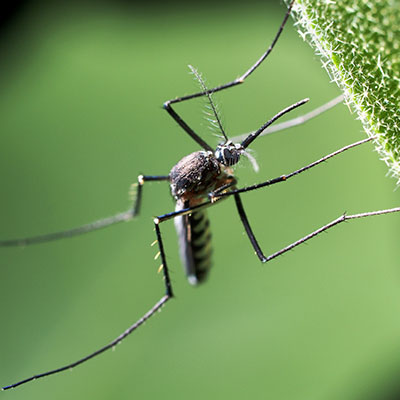
Warm days arrive fast in DeKalb County, and with them come hungry mosquitoes. If you want a comfortable yard from spring through fall, timing your first professional treatment matters. This guide breaks down when mosquito season really ramps up in Metro Atlanta, how rain plays into results, and how often most Stonecrest homes schedule visits. If you are ready to put a solid plan in place, explore our mosquito control options and see how Simmons Weed Control tailors service to local weather and yards like yours.
You can also learn more about our approach to lawn care services in Stonecrest on our home page, then book with a quick call to 404-578-9800.
Why Timing Matters for Mosquito Control in Stonecrest
Mosquitoes multiply on a simple rhythm: warmer temps, frequent rain, and calm, humid evenings. Start too late, and you spend spring chasing a growing population. Start at the right time, and you interrupt early breeding cycles, which lowers pressure all season.
In Stonecrest neighborhoods near Panola Road, Turner Hill Road, and the Mall at Stonecrest, tree cover and afternoon showers create shaded, moist pockets that invite mosquitoes to linger. A well-timed first application helps reduce activity before patios, decks, and play areas see daily use.
When Mosquito Season Starts and Peaks in Metro Atlanta
Every year is a bit different, but the pattern around Stonecrest is consistent. Mosquito activity picks up when overnight lows stay near the 50s and daytime highs reach the upper 60s to 70s for several days in a row. From there, populations swell with spring rains and peak through the heat of summer.
- Late March to Early April: First real uptick as temperatures stabilize. Many homeowners schedule their first service window here.
- May to August: Peak season across Metro Atlanta. Frequent storms and humidity keep populations active.
- September to Early October: Activity tapers with cooler nights, but warm snaps can trigger short spikes.
Tip: Watch for that first stretch of mild nights and warm afternoons. That is your cue to start service, not the calendar date on a flyer.
First Spray Timing: How To Pick Your Start Date
Your best start date is the one that gets ahead of hatch cycles. For Stonecrest, a practical target is late March or early April. If we catch a cool snap right after, no problem. The goal is to begin near the first consistent warm-up so follow-up visits land right when new adults would normally emerge.
Homes with heavy shade, dense shrubs, or yards that stay damp after storms benefit from an earlier kickoff. Properties that sit on breezier, open lots can often start closer to April without losing ground. Simmons Weed Control times visits to match these site differences so the schedule supports the way your landscape holds heat and moisture.
Rainfall Effects: What Storms Do to Treatments
Metro Atlanta’s afternoon thunderstorms are a double-edged sword. They create standing moisture that helps mosquitoes thrive, and heavy downpours can reduce how long a treatment sticks to certain surfaces. Light to moderate rain after a proper dry time usually has less impact, but a true gully-washer followed by several muggy days can invite a quick rebound in activity.
Important: Results vary with rainfall intensity, surface types, and shade. When storms cluster, your technician may tighten the schedule to keep pressure down. Discuss recent weather patterns during your visit so adjustments keep you covered.
Improving lawn health also helps water soak in rather than linger. When the soil is compacted, puddles last longer around low spots and fence lines. Services like core aeration encourage better drainage, which supports consistent mosquito control around Stonecrest homes.
Service Frequency: How Often to Schedule in Stonecrest
Most homes see reliable results with recurring visits during the active season. A common rhythm is every 21 to 30 days during peak months, with some properties adjusting a little tighter during very wet stretches. Your schedule may shift with shade levels, plant density, and how storms track across the east side of Metro Atlanta.
Think of it this way: the first treatment sets the stage, and steady visits maintain a comfortable buffer as new adults try to move in. If you entertain often or have lots of landscape screening, that steady buffer pays off when bites usually spike at dusk.
Property and Weather Factors That Change Your Plan
- Shade and Plant Density: Thick shrubs and tree canopies provide daytime resting spots. Denser landscapes often benefit from steady intervals.
- Storm Frequency: Back-to-back systems add moisture and can shorten residual life on certain surfaces.
- Proximity to Natural Areas: Lots near creeks, retention ponds, or wooded corridors may see higher pressure after warm, wet weeks.
- Heat Islands: Stonecrest pockets with more pavement can warm earlier, nudging season start a bit sooner than nearby blocks.
Heads-up: If you notice activity rising earlier than expected after an unusually warm March, it is better to advance your start date than to “wait and see.” Catching that wave early keeps summer more comfortable.
Local insight: Metro Atlanta sometimes has a “false spring” in late February. Hold your first appointment until nights are steadily in the 50s for a week or so. That way, follow-up visits land right when new adults would normally appear, and your coverage carries into spring break and early patio season.
How Simmons Weed Control Builds a Metro Atlanta Mosquito Plan
We start with your yard’s unique layout, sunlight, and drainage. Then we map the schedule to local weather patterns so visits land before populations surge. Our team focuses on treatment precision around resting zones while respecting your landscape and outdoor routine.
Live near Lithonia or along Browns Mill Road where late-day shade hangs around? We account for that. Host weekend cookouts or kids’ parties? We time visits so coverage is strongest when you use the space most. For Stonecrest homeowners who want a simple, dependable plan, our mosquito control program keeps the calendar and the weather in sync so you do not have to.
Pro tip: Tell your technician about any recent landscape changes. Fresh mulch beds, new privacy screens, or added planters can shift airflow and shade, which can change where mosquitoes rest.
Month-By-Month: A Simple Stonecrest Timeline
This snapshot shows how a typical year plays out in our area. Exact timing varies with weather and property specifics, but the pattern helps plan around holidays and outdoor events.
- March: Target first service as temps settle. Early start means fewer bites on spring weekends.
- April–May: Build and maintain coverage as rainfall rises and mosquitoes ramp up.
- June–August: Peak pressure. Keep intervals steady, and watch the forecast for clusters of storms.
- September: Coverage continues while evenings stay warm. Adjust as nights begin to cool.
- Early October: Wind down as activity fades with cooler nights.
If a tropical system or an unusually wet pattern moves through, your schedule may tighten briefly. That short-term shift helps your yard feel consistent even when the weather is not.
Ready to Enjoy Your Yard in Stonecrest?
When you start at the right time and stay on a smart rhythm, outdoor living gets easier. Simmons Weed Control builds a plan that fits your property, shade, and local weather so you can enjoy dinners on the patio without constant swatting. Call 404-578-9800 and ask for a spring start date, or explore season-long options right here in Stonecrest.
Get started today with our tailored solutions on the mosquito control page, and we will align your first visit with the next warm stretch, so coverage holds strong into summer.
Enjoy A Weed-Free Lawn With Our Lawn Fertilizing & Weed Control Services in the Stonecrest & Metro Atlanta Area!