Grub Damage in Georgia Lawns: Signs, Timing, and When Treatment Works Best in Stonecrest, GA
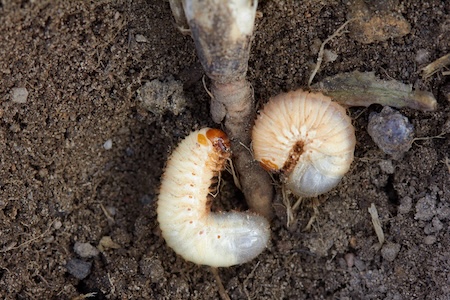
If your lawn is thinning, browning, or peeling up like loose carpet, you might be dealing with white grubs. These are the soil-dwelling larvae of beetles such as the Japanese beetle, and they love the warm soils around Stonecrest. The fastest path to relief is a professional plan designed for our local climate. Learn how to spot the clues, understand timing, and know when to schedule a targeted grub control program that actually works.
Homeowners often search for grub control in Stonecrest, GA after seeing patches spread across sunny areas or along driveways. Below, you will find clear signs to watch for, the best seasonal windows for treatment, and how a pro decides between preventive and curative options so your grass recovers and stays thick.
What Grubs Are Doing Under Your Georgia Lawn
In the Stonecrest area, grubs are the C-shaped larvae of beetles like Japanese beetles and masked chafers. They feed on grass roots, which cuts off water and nutrients and leads to sudden wilt, even after rain. As roots shrink, the surface dries faster, and the lawn looks tired and patchy. Birds or mammals may start probing the yard because grubs are an easy meal.
Because warm-season grasses such as Bermuda and Zoysia dominate local neighborhoods, root loss shows up fast once temperatures rise. Thin turf lets heat reflect from sidewalks and driveways, and those edges can turn straw-colored first. That is why patches along Turner Hill Road or near The Mall at Stonecrest often stand out after a hot weekend.
Early Signs Of Grub Damage You Can Trust
Grub damage can look like drought stress at first. A few reliable signs help you tell the difference without guesswork.
- Brown or gray patches that stay wilted even after regular irrigation or rainfall
- Turf that lifts or “peels” like carpet because roots have been chewed back
- Increased bird activity pecking in the same areas, or scattered soil where animals probed
- Thin, spongy feel underfoot when you walk across the area
Do not ignore expanding brown patches after rain. When grubs are active, the window for a good outcome depends on treating at the right stage, not just applying something and hoping for the best.
When Stonecrest Lawns Suffer Most
Grubs feed in warm soil. Around Stonecrest, the highest pressure usually tracks late summer into early fall after eggs hatch and larvae begin feeding. That is why damage often shows up from August through October, especially in sunny front yards with heavier traffic.
Adult beetles typically emerge earlier in summer. After mating, they lay eggs in turf, and those eggs hatch weeks later. When the tiny larvae start feeding, the right product at the right time can stop the problem before roots are heavily pruned. If the weather stays hot and dry, stressed grass shows injury sooner and recovery takes longer.
Preventive Vs. Curative Grub Control In Stonecrest, GA
Both approaches can help, but they work in different windows.
Preventive treatment targets the life stage right after eggs hatch, when larvae are small and easier to control. In our area, that often means late spring into early summer, scheduled to match soil temps and recent weather. This timing protects roots before summer stress arrives and keeps warm-season turf dense through the hottest months.
Curative treatment is a rescue option once you see clear damage and active feeding. It is most useful from late summer into early fall when grubs are still near the surface. A pro will pair treatment with a plan that restores density, so thin spots do not invite more weeds later.
Prevention does the most good with less disruption. Curative plans are still effective when caught in time, but recovery may require extra attention so the lawn rebounds before winter.
Why Timing Matters More Than Product
Stonecrest is known for quick weather swings. A hot spell after rain can push grub activity faster than a calendar predicts. That is why pros track soil conditions and recent rainfall, then time applications for the life stage that responds best. The same product can give different results if the timing is off by a few weeks.
Local traffic patterns matter too. High-use areas along sidewalks, play paths, and driveways heat up, which speeds up soil change and can nudge grubs to feed more. Shade lines under pines on one side of the yard may stay cooler and hide symptoms longer. A trained eye reads these micro-differences before choosing the path forward.
How Pros Confirm Grub Activity Without Guesswork
Professionals inspect the thatch and the top layer of soil to confirm feeding and gauge how widespread it is. The goal is to understand whether you are early in a cycle or facing peak feeding. That assessment drives the choice between a preventive schedule, a curative plan, or both. The next step is to protect recovering roots so the lawn thickens again and shades the soil.
Because grub-weakened turf is easier to compact, your plan may include services that help roots dive deeper once the pests are controlled. For example, loosening tight clay allows air and water to move better, which supports new white roots.
When a technician recommends support work, it is not “extra” for the sake of it. It is how you turn a short-term rescue into a stable lawn heading into winter.
Root Recovery: Pairing Treatments With Soil Health
Healthy roots help your grass outrun future problems. After a confirmed infestation, pros often combine treatment with targeted cultural care that matches warm-season turf. In our area, that usually means supporting Bermuda or Zoysia so they fill in thin spots and close the canopy before weeds take advantage.
A focused way to open compacted clay is core aeration. By removing small plugs of soil, aeration increases airflow and water movement so new roots can reattach firmly. It is not a fix for an active infestation, but it can speed recovery after a well-timed treatment plan has knocked the pests back.
Common Myths That Cost Stonecrest Homeowners Time
- “Brown patches after a hot week mean I need more water.” Water stress and grub damage can look similar. Moisture alone will not fix root loss.
- “Any product at any time helps.” Results depend on life stage. Timing is the difference between control and disappointment.
- “If I can roll up the turf, the yard is done for.” Turf can recover when roots are protected and soil is opened for new growth.
Do not roll back large sections of turf when it is dry. That can shear fragile new roots and slow recovery. Let a pro confirm activity and map the next steps so damage is contained and repair is efficient.
Local Patterns We See Across Stonecrest
Neighborhoods near parks and open corridors see more beetle activity, which can increase egg-laying in sunny lawns. In subdivisions off Panola Road, front yards with long sun exposure often show the first signs, while shaded side yards lag by a week or two. Slopes that drain quickly can look worse after a windy, dry stretch because stressed turf highlights root loss sooner.
As the season turns, it is normal for patterns to shift. A lawn that looked fine in June can fade fast in August if grubs are chewing roots during a heat wave. That is why scheduling by observation and soil cues beats a fixed calendar.
Where Grub Control Fits In Your Year-Round Plan
Think of grub work as one chapter in a simple, seasonal routine. When prevention starts on time, the rest of your plan falls into place. Balanced feeding supports density, and density blocks sunlight at the soil, which starves weeds. If you want a quick refresher on how weed control and feeding support each other, skim this local read on how weed control and feeding work together.
Even with a rescue plan, your lawn’s future is bright when roots regrow and the canopy closes. A technician will watch how color returns, how edges hold up near hardscapes, and whether shaded pockets need a lighter touch. That feedback helps fine-tune your next season so issues do not repeat.
When To Call And What To Expect
If you can lift turf like a flap, see birds pecking daily in the same area, or notice brown patches that do not bounce back after rain, it is time to get help. A technician will confirm activity, time the treatment, and outline a recovery plan for your grass type and soil. Expect clear guidance on when it is safe for pets and kids to reenter the yard, and what signs to watch for during the next two weeks.
You will also get a simple timeline for visible change. Warm-season lawns can show improvement in color and density within a few weeks after the right step. Full recovery takes longer, and that is normal. The aim is steady progress that holds through fall and into spring.
Ready To Stop Grub Damage The Right Way?
The sooner you act, the easier the fix. If you suspect an issue, schedule a professional visit and let a local expert match the plan to our Stonecrest weather and soils. Start with a targeted grub treatment and a recovery path that fits your turf and traffic patterns. For broader seasonal care, Simmons Weed Control can fold root protection into your regular program so your lawn stays thick and uniform.
Want a deeper dive into seeding windows as part of recovery? This quick guide on lawn seeding in Georgia explains why timing and grass type matter once roots are safe and the canopy needs to fill in.
When you are ready, call Simmons Weed Control at 404-578-9800. We will confirm the signs, time the visit, and set your lawn up for a stronger season ahead in Stonecrest and nearby Lithonia. If you want consistent color and fewer surprises, a tuned plan wins every time.
Enjoy A Weed-Free Lawn With Our Lawn Fertilizing & Weed Control Services in the Stonecrest & Metro Atlanta Area!