Core Aeration in Georgia Clay Soil: How It Helps Compaction and Root Health in Stonecrest, GA
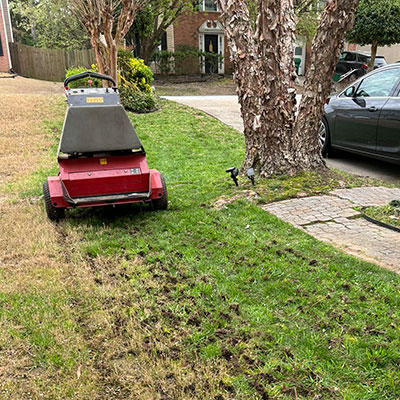
Georgia’s red clay is tough on lawns. When it compacts, roots can’t breathe, water won’t drain, and grass thins out. That is why many Stonecrest homeowners turn to professional core aeration to open the soil and kickstart stronger root growth. If you are comparing options for core aeration in Stonecrest, GA, here is how the process works and why timing and technique matter in our local climate.
For a hands-on fix, our core aeration service removes plugs of soil and thatch to relieve pressure under your turf. Done at the right time of year, those openings act like tiny recharge stations where air, water, and nutrients slip back into the root zone.
Why Georgia Clay Compacts So Fast Around Stonecrest
Clay particles are tiny and pack tightly, especially after heavy foot traffic, mower passes, or frequent summer showers that pound the surface. In neighborhoods near Panola Road, Klondike, and around The Mall at Stonecrest, yards often see a mix of sloped sections and high-use areas that speed up compaction.
When soil seals over, water puddles instead of soaking in. Roots stay shallow. Grass gets stressed during late summer heat, and weeds find the gaps. Aeration breaks that cycle by punching repeatable, uniform openings across the lawn.
Thatch vs. Compaction: Know the Difference
Homeowners often confuse thatch and compaction. Thatch is a spongy layer of dead stems and roots just above the soil. Compaction is tight, dense soil below that layer. You can have one, the other, or both.
- Thatch feels springy underfoot and looks like a brown mat just under the grass blades.
- Compaction feels hard, sheds water, and makes it tough to push a screwdriver into the soil.
- Thin or bare patches along walkways and play areas usually point to compaction first.
Core aeration removes small plugs that include both thatch and soil. That action reduces both problems at once while setting up better air exchange in the root zone.
How Core Aeration Works in Clay
A professional aerator rolls over the turf and removes thousands of 2 to 3 inch plugs. Each plug leaves an opening that reduces pressure and invites roots to explore deeper. As rainfall and irrigation wash soil back into the holes, the sides break down, and the lawn gains structure.
Clay responds well to this process because mechanical removal is the fastest way to create space. Over time, the lawn feels less like a brick and more like a sponge that holds moisture without staying soggy.
Best Seasonal Windows for Stonecrest Lawns
Timing depends on your grass type and goals. Warm-season grasses common here, like Bermuda and Zoysia, prefer aeration when they are actively growing in late spring through summer. That gives them months to fill in the holes with fresh roots and shoots.
If you have tall fescue in shadier spots, early fall is usually best so it can recover during cooler weather. Local patterns in DeKalb County bring quick downpours and long, warm spells, so scheduling during a stretch of normal rainfall helps the lawn respond faster.
Local tip: Aerate when your lawn is actively growing and the soil is slightly moist, not saturated. This helps the tines pull clean cores and protects your turf from stress after the service.
What to Expect Before and After Aeration
Before service, a technician assesses access points, slope, and high-traffic areas. We note irrigation head locations, tree roots, and any utility markings to avoid damage. On service day, the equipment makes overlapping passes for consistent coverage across open areas and along edges.
After aeration, you will see soil plugs across the lawn. Leave them in place. They break down and top-dress the surface, feeding microbes and reducing thatch naturally. Within a few weeks of normal growth, the openings close, but the benefits remain underground where roots have pushed deeper.
- Improved water infiltration and less runoff during summer storms
- Deeper, stronger root systems that handle heat better
- More even color and density as thin areas fill in
Compaction Symptoms Stonecrest Homeowners Notice
You may be dealing with compaction if you see frequent puddles, dry spots that resist watering, or turf that feels hard and bumpy under your mower. Side yards used as shortcuts and backyard play zones often show the worst stress. Lawns that were renovated on new construction fill dirt also tend to compact faster than older, established sites.
Do not remove the cores right after service. Let them crumble back into the lawn. That simple step recycles organic material and helps balance the clay-to-organic ratio that supports a stable soil structure.
Why Aeration Helps Roots More Than Surface Fixes
Fertilizer feeds a lawn, but packed soil blocks uptake. Watering keeps grass from wilting, but compacted clay sheds water at the surface. Core aeration goes straight to the bottleneck by opening the soil so nutrients and water get where they need to go.
As those channels refill with loosened soil, roots branch and thicken. That is why pairing aeration with a smart nutrition plan can show faster, longer-lasting results than either one alone.
Pairing Aeration With Overseeding or Nutrition
Aeration creates ideal seed-to-soil contact if you plan a fall fescue overseed. For warm-season lawns, it sets the stage for more efficient fertilization in late spring and summer. The open soil accepts inputs better and reduces waste through runoff.
Curious how this fits into your yard’s plan? Browse our lawn services to see how core aeration connects with seasonal care across the year. For step-by-step homeowner education, you can also visit our running archive of lawn care tips.
Local Factors Around Stonecrest That Affect Results
Hills near Panola Mountain and older neighborhoods with mature oaks present special challenges. Shaded turf recovers more slowly after heavy traffic, and tree roots compete for water. In these areas, aeration helps relieve pressure, but the best results come from tightening mowing height, irrigation timing, and foot traffic patterns.
Heavy clay along driveways and mailbox strips tends to bake and crack in late summer. Aeration followed by steady, even watering encourages those areas to knit together. Avoid aerating during a drought spell when turf growth is stalled. Wait for a normal moisture pattern so grass can bounce back.
How Simmons Weed Control Approaches Georgia Clay Aeration
Our technicians focus on consistent plug depth and complete coverage, with a second pass on traffic lanes where compaction is greatest. We plan routes to protect irrigation heads and landscape beds and to reach tight side yards that many properties have in Stonecrest.
We tailor timing to your grass type and sun exposure. For Bermuda and Zoysia, we choose a growth window so the lawn can close holes quickly. For fescue areas, we plan around fall recovery and potential overseeding. Throughout, we keep communication simple and clear so you know what is next and when to expect visible changes.
Watering and Mowing After Aeration
Post-service, normal irrigation is usually enough to help cores break down. If your schedule allows, a slightly deeper watering one to two times in the first week helps settle soil in the holes. Resume regular mowing, but be ready to empty the bag more often as plugs crumble and the lawn thickens.
Flag irrigation heads if you know their locations, and share any recent repairs with your technician. This keeps everything running smoothly and protects your system during service.
Results You Can See and Feel
Most homeowners notice the lawn holds moisture better and looks more even after recovery. The bumpy, washboard feel fades as roots stabilize the surface. By mid-season on warm-season grass, density and color improve, and edge lines along sidewalks get a cleaner look.
That visual payoff is backed by a healthier root system that handles heat without constant rescue watering. Fewer weeds slip in because thick turf blocks light from reaching the soil surface.
Is Aeration Right for Your Lawn?
If your lawn puddles after a quick thunderstorm or dries out fast the next day, compaction is likely the culprit. Core aeration is a practical, proven way to reset the soil and let your grass do what it is built to do. The red clay across Stonecrest will never act like beach sand, but we can make it work for your lawn rather than against it.
Explore the details of our approach and see how scheduling fits your calendar by visiting our core aeration service page. You will learn what we do on site and how we prepare your lawn to respond quickly.
Ready To Strengthen Roots and Relieve Compaction
When it is time to open up your soil and let your turf breathe, partner with Simmons Weed Control. Call us at 404-578-9800 to pick the best window for your grass type and sun exposure. We serve Stonecrest and nearby communities with a process built for Georgia clay.
If you want a quick refresh on the basics before you call, skim our main overview of lawn services and check recent posts in lawn care tips. When you are ready, we will handle the heavy lifting so your soil opens up and your lawn comes back thicker, greener, and stronger for the season ahead.
Enjoy A Weed-Free Lawn With Our Lawn Fertilizing & Weed Control Services in the Stonecrest & Metro Atlanta Area!